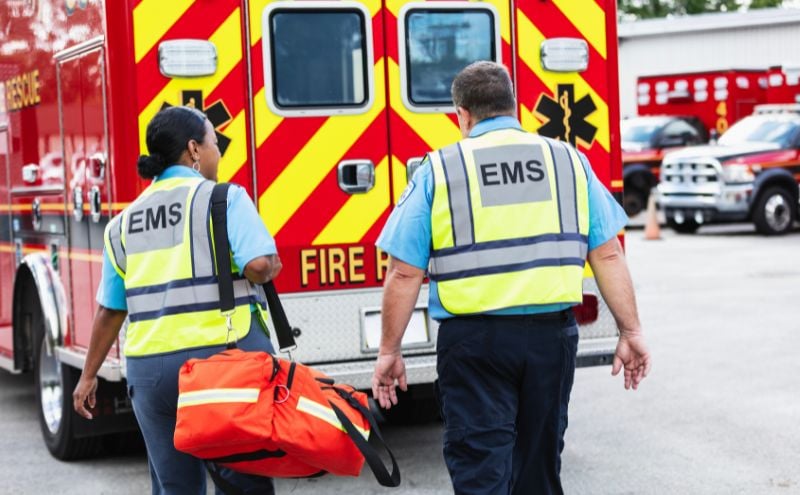

The National Prehospital Pediatric Readiness Project (NPPRP) announces the first framework for pediatric readiness among EMS and fire-rescue agencies based on national recommendations.
A new report in Annals of Emergency Medicine outlines the assessment, based on joint recommendations from ACEP and 27 leading national organizations. Respondents answered questions across eight categories of readiness, ranging from equipment and supplies to policies, procedures, and protocols.
One area of strong prehospital pediatric readiness is equipment and supplies. More than 80% of respondents reported having a length-based tape or volumetric dosing guide, important for patient measurements and medication.
The initial assessment is meant to set a baseline for a wide range of investments, improvements and coordination going forward.
Investment in EMS agencies can improve public health and patient safety, so that every EMS agency, regardless of geography, is fully resourced and trained to care for patients of all ages.
The assessment was developed and conducted through the National Prehospital Pediatric Readiness Project (PPRP), an initiative of the Emergency Medical Services for Children (EMSC) Program—part of the Department of Health and Human Services’ Health Resources and Services Administration—in collaboration with ACEP and leading prehospital and emergency care professional organizations.