 American College of Emergency Physicians

Wilderness Medicine and Advocacy
Marc Cassone, DO, FACEP, FAWM, DiMM
Chair-Elect, ACEP Wilderness Medicine Section
Everest Base Camp. McMurdo Station. The International Space Station. These are the paragons of austere medicine. However, as many Wilderness Medicine (WM) specialists can attest, the breadth and the depth of our training covers so many more contexts. Traditionally, WM has been thought of as the domain of expedition medics, mountain guides, dive masters, and the like. With time, WM has become not just a knowledge base or a skillset, but a general approach (resourcefulness, adaptability, collaboration) to medicine in remote, limited-resource environments. This has given WM specialists exposure and insight to a variety of locales as well as the perspectives to be physician-advocates for the issues faced in these unique settings.
Wilderness Medicine as a modern specialty has a tradition of advocacy for promoting safety in remote environments through data collection (e.g., Accidents in North American Climbing, 1940's), education (e.g., WFR,1980's), and research (Wilderness and Environmental Medicine, 1990's) for both guides and outdoor enthusiast looking to become more self-reliant. As the outdoors have become more accessible and popular over the decades, WM has also leaned on the importance of prevention advocacy efforts like Preventative Search and Rescue (PSAR), avalanche safety, pre-trip medical screenings, and risk mitigation strategies. Beyond just safety and education for recreationalists, WM specialists have also advocated in recent years for the concept of wilderness as medicine and a public health resource, especially as the public lands and outdoor access debate in the U.S. has increased.
In addition to keeping recreationalists safe, WM has also looked to improve the safety and wellbeing of professionals working in remote environments. Medical Directors for various groups (ski patrollers, park rangers, wildland firefighters, SAR groups, commercial divers, industrial remote site workers) have unique perspectives on the medical and safety risks associated with these jobs. Whether it be helping with acclimatization, getting access to the right equipment, or recognizing and preventing stress and burnout in high-risk jobs, WM specialists should continue to advocate for the wellbeing of our colleagues.
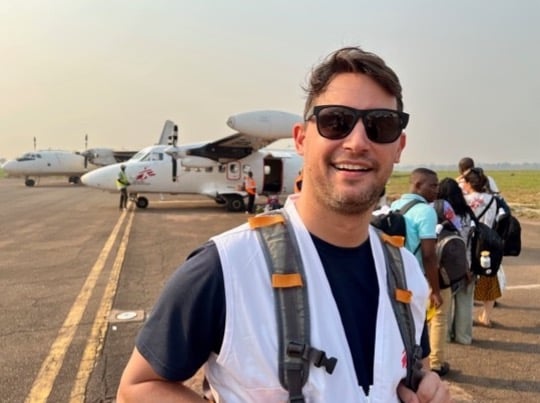
Many WM specialists have found their skillset adept to helping in austere environments beyond our own borders, furthering opportunities for advocacy for issues abroad. Core WM principals have been essential to educational programs like the WHO Basic Emergency Care (BEC) course and newly-developed EM programs in other countries. As wilderness recreation continue to expand abroad, guiding companies and SAR organizations around the world are looking for opportunities for more collaboration, training, and research. More niche WM topics like snakebites also have potential for advocacy; envenomations continue to be a real threat, especially in the Global South, with many antivenoms considered as orphan drugs. Drowning remains a leading cause of death for children, in the U.S. and especially in low- and middle-income countries. The rising number of fatalities in migrants and asylum-seekers globally is related to the often austere environments they traverse: the American Southwest, the Mediterranean, Sahara, and jungles of Central America; environs with afflictions WM specialists are experts in. Preventable deaths like these can benefit from continued advocacy from WM experts.
On a global scale, climate change-related and other natural disasters have certainly taken their toll. Populations in remote and limited-resource areas are often the most effected. The discipline of Enviromedics, spearheaded by WM experts, has helped focus the study of climate change's impact on human health. WM specialists have- and should continue- to provide aide on the ground in these contexts through education, supplies, and medical support. However, our ability to work with and support people in these disaster environments also allows us to bear witness to these events and educate others on the realities and needs of survivors. The reach of WM is global; so should be our advocacy.
As WM specialists continue to find themselves in more unique contexts, across the globe and in space, their perspectives as physician-advocates should continue to expand as well. With ACEP's strong tradition of advocacy for our colleagues and patients, I am confident the Wilderness Medicine Section has great potential to make a difference.
Looking forward to hearing what you are passionate about.