 American College of Emergency Physicians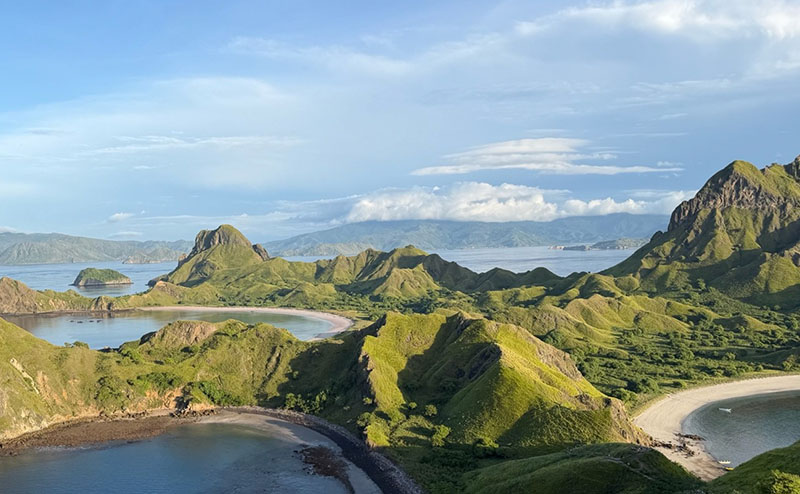

Letter from the Chair
Patrick Burns, MD, FAWM, DIMM
Chair, ACEP Wilderness Medicine Section
Dear Colleagues,
The wilderness has a way of humbling us, often when we least expect it. Mine came not on a remote expedition but stepping out of a pool in Lombok, Indonesia and reaching for a towel. A sharp, electric pain shot into my thigh and made it very clear: something had just made its presence known.
There was no dramatic creature reveal scurrying away, just a lingering, deep, unmistakable pain. I reached to the freezer for an ice cube to help calm the intense burn which lasted well over 2 hours. The next several days followed with localized inflammation: erythema, warmth and a tenderness that was quite unpleasant.
While I never caught the culprit, my mind (and internet browser) raced to deduce the cause. The clinical picture and tropical setting point strongly toward a bark scorpion (Chaerilus spp.) common to the region.
Luckily, unlike their notorious North American cousins, the Indonesian bark scorpions are not dangerously venomous but can cause intense pain.
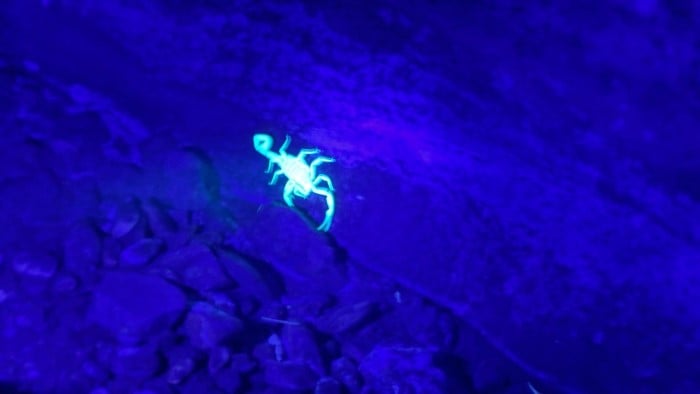
Not long ago, I had the privilege of rafting the Grand Canyon. Days were spent navigating rapids and nights were spent stretched out under a vast sky without tents or barriers between us and whatever else happened to share this terrain. We went searching with UV lights for that otherworldly fluorescence as we made our way down the mighty Colorado River. We were mindful that the arizona bark scorpion (Centruroides sculpturatus) venom can produce significant toxicity, especially in children and older adults, with symptoms including severe pain and muscle fasciculations, nerve dysfunction, vomiting and pancreatitis.
Interestingly, despite frequent sightings and a healthy respect (or mild paranoia), not a single sting occurred. Why? Probably a bit of luck but likely because awareness changed behavior. Shoes were checked, sleeping areas were cleared. Headlamps scanned the ground. The difference between my time in Indonesia and the Grand Canyon wasn’t the presence of risk, but the presence of vigilance.
Wilderness medicine is not just about managing the dramatic. It’s also about respecting the mundane, especially those moments when our guard is down.
The overarching lesson is one we all know but bears repeating: risk in the wilderness is rarely eliminated. Risk is managed through awareness, preparation and humility.
As we head into another season of exploration and (let’s be honest) a few questionable decisions in beautiful places, I encourage all of us to carry that mindset forward.
Shake out the towel. Check your boots. Scan the ground.
And when you do get stung, remember that even in discomfort, there’s usually a good story, a bit of learning and a newsletter article waiting to be written.
Stay safe out there,
Patrick Burns, MD