 American College of Emergency Physicians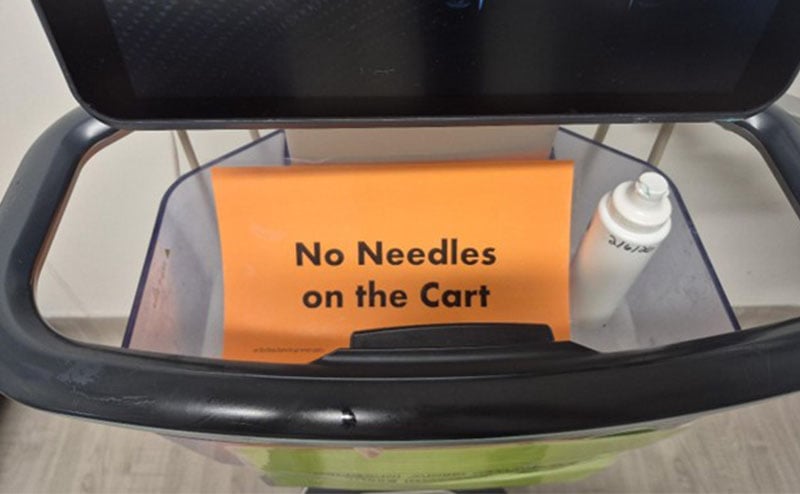

ACEP Safety Subcommittee Article: Common POCUS-safety Problems and Solutions
Josie Valenzuela, MD
Alexander S. Daves, DO, FACEP
Jason Nomura, MD, FACEP, FAEMUS
Despite sharing the same goal—the rapid and safe diagnosis and treatment of patients— point-of-care ultrasound fans and ultrasound safety enthusiasts can sometimes find themselves at odds. Your typical physician sonographer wants to find the problem with the patient in front of them, fix it, and quickly move on. Your infection control officer, meanwhile, focuses on ensuring the ultrasound machine is clean, charged, stocked, and ready for the next patient.
Like the debate over right-sided or left-sided probe marker for echo, the argument can get heated. Here are some common points of friction between scanning and safety, along with practical solutions crowdsourced from the ACEP Emergency Ultrasound Section and Safety Subcommittee.
|
Problem |
Solution |
|
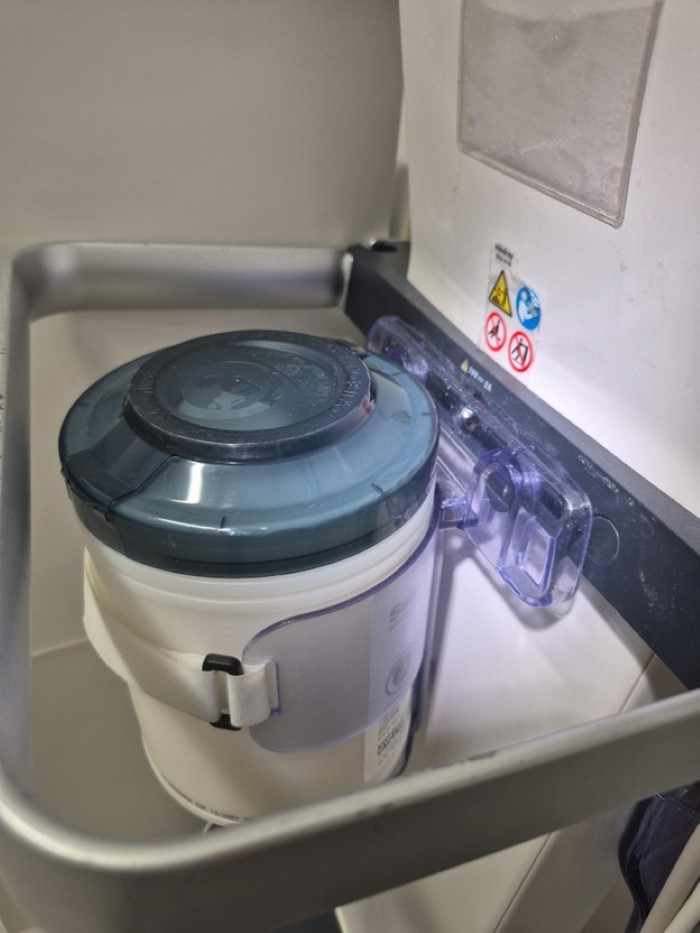
Cleaning wipe issues: Nonmanufacturer approved wipes, low level disinfection wipes vs. intermediate level, no cleaning performed at all |
|
|
Nonsterile gel for percutaneous procedures, like IV starts |
|
|
Noncompliance with probe covers for IV starts |
|
|
Expired gel remains in use |
|
|
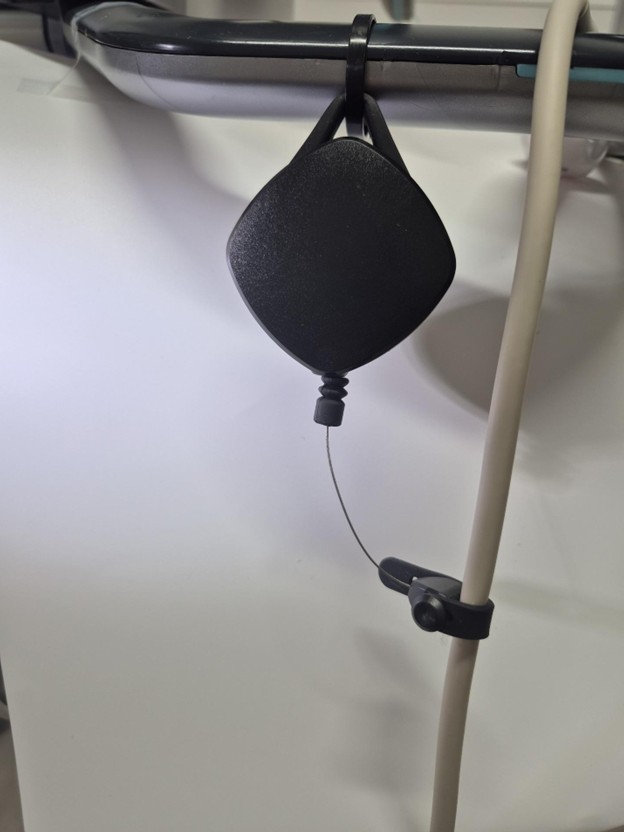
Probes cords damaged by cart wheels |
|
|
Hospital accreditation organization prohibits storage of sharps on the ultrasound cart |
|
|
Probes are contaminated with blood during trauma activations |
|
These solutions work best when systems are designed around real-world workflow. Removing unnecessary items, organizing supplies logically, posting clear signage, standardizing locations and materials, and reinforcing good habits through training all help balance efficiency with infection control. With these principles in mind, we can get back to focusing on what’s important—safe, effective patient care.