 American College of Emergency Physicians

Disaster Medicine Section Newsletter - Early Career Issue
- Podcast: Matthew Turner, MD. Ryan Leone, MD, MSc
- ACEP Disaster Medicine Mentorship Program
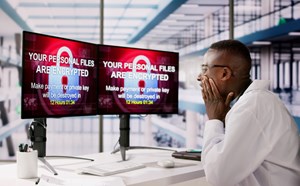
- Cybersecurity at the Bedside: Emerging Threats to Networked Medical Devices and Patient Safety. Emily Hutchinson, BS (MBA candidate, expected November 2027)
- An Interview with Disaster Medicine Fellows. Randy Carpenter, MD, and Natalie Rall, MD
- A Mobile Laboratory on the Front Line: Enhancing Infectious Disease Detection During Mass Gatherings. Ava Curtis
- Tips for Early Career Opportunities in Disaster Medicine. Ryan Leone, MD, MSc
- Committee update: Romeo Fairley, MD, MPH
- Disaster Medicine Lecture Series Calendar
- Letter from the Chair – ACEP Scientific Assembly 2026. Bryan Wexler, MD, MPH, CHPCP, CHEC-III
ACEP Disaster Medicine Podcast! https://on.soundcloud.com/dgsb5z5v2e99FD93Or
In this episode we discuss early career opportunities and the ACEP Government Services Chapter with Dr.’s Ryan Leone and Mathew Turner.
Captain (Dr.) Ryan Leone is an emergency medicine PGY-1 at Brooke Army Medical Center and a Visiting Scholar with the National Instituted for Defense Health Cooperation. He previously worked for senior medical leaders at the Department of Defense, Department of State, and Department of Homeland Security. Ryan earned an MD from Columbia University, an MSc from King’s College London as a Thouron Scholar, and dual-BA/BS degrees from the University of Pennsylvania’s College of Arts and Sciences and Wharton School of Business.
Captain Matthew Turner is an emergency medicine physician at Penn State Milton S. Hershey Hospital in Hershey, Pennsylvania. His scholarship spans emergency medicine, military medicine, infectious disease, medical history, and the intersection of medicine with warfare and public health. He has authored more than 35 peer-reviewed publications, with work appearing in the Small Wars Journal, Cureus, Military Medicine, the Emergency Medicine Journal, Emerging Infectious Diseases, the American Journal of Neuroradiology, and other journals. Dr. Turner has long been interested in the intersection of medicine and history, with publications examining historical disease outbreaks, biological and chemical warfare, ancient pathology, toxicology, and military medical lessons. He also writes about the evolving world of counterinsurgency and counterterrorism, including modern conflict medicine.
ACEP Disaster Medicine Mentorship Program
The American College of Emergency Physicians (ACEP) Disaster Medicine Section is pleased to announce the launch of the Disaster Medicine Mentorship Program (DMMP). The purpose of this program is to foster professional development, expand the disaster medicine workforce, and strengthen the ACEP Disaster Medicine community by pairing physicians and medical students interested in disaster medicine with experienced practitioners across clinical, academic, operational, research, government, and policy domains.
The ACEP Disaster Medicine Section will match mentees with mentors based on their interests and areas of expertise and facilitate an initial introduction. Following the match, mentors and mentees will develop a mentorship agreement outlining goals, expectations, and desired outcomes. At the conclusion of the six- or twelve-month mentorship period, participants will be asked to complete a brief program evaluation.
If interested in serving as a mentor, please use this link to submit your name and information. [https://forms.monday.com/forms/d6b3740502f135df8384a91bf4bdd2a7?r=use1]
If interested in being a mentee, please use this link to submit your name and information. [https://wkf.ms/4b8CCLc]
Cybersecurity at the Bedside: Emerging Threats to Networked Medical Devices and Patient Safety
Emily Hutchinson BS (MBA candidate, expected November 2027)
Healthcare systems are increasingly targeted by cyberattacks due to their vulnerable interconnected digital infrastructure and the high value of patient data.1,2 However, beyond data breaches, cyberattacks on medical devices present a different and immediate risk to patient lives. Understanding medical device cyberthreats is important in developing prevention, mitigation and response strategies.1
Modern hospitals depend heavily on network-connected technologies, including electronic health records, monitoring systems and smart devices. Many of these devices operate on legacy software and rely on constant network access. Thus, the devices are hard to update, leaving the system increasingly vulnerable to cyber intrusion. Additionally, regulatory and operational constraints often delay the implementation of security patches, further widening the risk for attacks.2
Unlike cyberattacks in other industries, attacks on healthcare can have immediate consequences for patient safety.1 Disruption of device functionality or denial of service can interfere with life-sustaining treatment and monitoring. A well-documented example occurred during the 2017 WannaCry ransomware attack, which significantly affected the United Kingdom's National Health Service.3,4 The attack infected hundreds of healthcare facilities, causing hospitals to shut down systems, cancel procedures, redirect emergency patients, and rapidly transition to manual processes when electronic health records and other vital tools became inaccessible.³ Although the attack primarily targeted information systems, its effects extended to network-dependent technologies and demonstrated how cybersecurity incidents can disrupt clinical care.3,4
This paper will examine the impact of cybersecurity attacks on two different medical devices commonly used in the emergency department: intravenous (IV) infusion pumps and implantable cardiac devices such as pacemakers and defibrillators (Baranchuk et al., 2018). IV pumps are a systemic hospital risk due to their widespread use and network integration, while pacemakers illustrate how cyberattacks can directly impact individual patient physiology. Together, these examples underscore that cyber threats have implications that extend beyond data compromise to disrupt healthcare delivery and patient safety.
Medical Device Case Study: Intravenous (IV) Infusion Pumps
Intravenous (IV) infusion pumps deliver fluids, medications, and nutrients directly into a patient's bloodstream at precise, programmed rates. Modern "smart" infusion pumps allow nurses to select an ordered medication from a built-in drug library, enter biometric information, and the pump will automatically calculate and deliver the appropriate infusion rate. Dose error reduction systems alert clinicians when programmed doses fall outside established safety limits, reducing medication errors.5 These devices are commonly used in emergency departments, intensive care units, and surgical settings and are frequently integrated with electronic health records, centralized monitoring systems, and hospital drug libraries.² Although this connectivity improves medication safety and efficiency, it also introduces cybersecurity vulnerabilities, particularly when devices rely on legacy software, wireless communication, or systems that do not receive regular security updates.1,2
Researchers and regulatory agencies have identified several potential vulnerabilities in network-connected IV infusion pumps, including unauthorized remote access, manipulation of medication dosage parameters, denial-of-service attacks, and using compromised devices to access broader hospital networks.6 Unauthorized changes to infusion rates or medication dosages represent a direct clinical and patient-safety concern and could result in underdosing or overdosing, causing inadequate treatment, toxicity, or death, while disruption of pump function delays delivery of life-sustaining medications. A notable example involved Hospira Symbiq (Version 3.13 and older) as well as other Hospira infusion systems.7 In 2015, the U.S. Food and Drug Administration (FDA) issued a safety communication after cybersecurity vulnerabilities were identified that could allow unauthorized users to remotely access the device through a hospital network and alter pump operation. Due to these risks, the FDA advised healthcare facilities to discontinue use of affected Hospira Symbiq pumps.7
Medical Device Case Study: Implantable Cardiac Devices (Pacemakers and Implantable Cardioverter Defibrillators)
Implantable cardiac devices, like pacemakers and implantable cardioverter defibrillators (ICDs), are essential technologies. Pacemakers deliver electrical impulses to maintain an adequate heart rate, while ICDs continuously monitor cardiac rhythm and deliver shocks when dangerous ventricular arrhythmias are detected.8 Many modern devices use wireless communication to allow clinicians to monitor performance, battery status, and cardiac rhythms remotely. Although these capabilities have improved patient monitoring and reduced the need for in-person evaluation, wireless communication also creates pathways for unauthorized access.6
Researchers have identified multiple potential attack pathways that could compromise the security and functionality of implantable cardiac devices. These vulnerabilities include unauthorized wireless access, device reprogramming, denial-of-service attacks that disrupt function or drain battery life, and replay attacks, in which intercepted wireless commands are retransmitted to the device as legitimate instructions.6,8,9 Manipulation of pacemaker settings could theoretically cause pacing inhibition, inappropriate pacing rates, or loss of pacing support, while manipulation of an ICD could result in unnecessary shocks or failure to provide appropriate therapy for a dangerous arrhythmia.8 Although confirmed patient deaths directly resulting from deliberate cyberattacks on cardiac devices have not been established, controlled demonstrations show that certain vulnerabilities are technically feasible and have prompted attention from manufacturers, healthcare organizations, and regulatory agencies.8.9
Hybrid Threats
The consequences of medical device cybersecurity become particularly important when cyber incidents occur alongside other emergencies - hybrid attacks. During natural disasters, mass-casualty events, or other crises, emergency departments may already be operating under significant strain. A simultaneous cyberattack could further disrupt access to electronic health records, communication systems, centralized drug libraries, or medical devices like remote device-monitoring capabilities and infusion pumps.1,2 Even when medical devices function independently of the Internet of Things, loss of network connectivity within a connectivity-dependent healthcare system can delay information exchange, specialist consultation, clinical decision-making, and coordination of care.
Conclusion
As healthcare becomes increasingly dependent on interconnected technology, medical device cybersecurity has become an important component of patient safety. Although deliberate cyberattacks causing direct patient harm through medical devices remain uncommon, demonstrated vulnerabilities justify continued attention to prevention and preparedness.
For emergency physicians, cybersecurity is increasingly a patient-safety issue rather than solely an information security concern. Emergency physicians do not need to be cybersecurity experts, but maintaining awareness of connected-device vulnerabilities and incorporating cybersecurity into emergency physicians’ understanding can speed medical device breach identification and improve patient care. Ultimately, protecting medical devices from cybersecurity threats is not simply about protecting systems, but an important aspect of maintaining safe, reliable, and effective patient care.
References
- Williams PAH, Woodward AJ. Cybersecurity vulnerabilities in medical devices: a complex environment and multifaceted problem. Med Devices (Auckl). 2015;8:305-316. doi:10.2147/MDER.S50048.
- Mejía-Granda CM, Fernández-Alemán JL, Carrillo-de-Gea JM, García-Berná JA. Security vulnerabilities in healthcare: an analysis of medical devices and software. Med Biol Eng Comput. 2024;62(1):257-273. doi:10.1007/s11517-023-02912-0.
- National Audit Office. Investigation: WannaCry Cyber Attack and the NHS. National Audit Office; 2017.
- Coventry L, Branley D. Cybersecurity in healthcare: a narrative review of trends, threats and ways forward. Maturitas. 2018;113:48-52. doi:10.1016/j.maturitas.2018.04.008.
- Giuliano KK. Intravenous smart pumps: usability issues, intravenous medication administration error, and patient safety. Crit Care Nurs Clin North Am. 2018;30(2):215-224. doi:10.1016/j.cnc.2018.02.004.
- Hassija V, Chamola V, Bajpai BC, Naren, Zeadally S. Security issues in implantable medical devices: fact or fiction? Sustain Cities Soc. 2021;66:102552. doi:10.1016/j.scs.2020.102552.
- US Food and Drug Administration. Cybersecurity vulnerabilities of Hospira Symbiq infusion system. Published July 31, 2015. Accessed August 12, 2026. FDA Medical Device Cybersecurity – Hospira Symbiq Infusion System. Manufacturer: Hospira, Inc. (Pfizer Inc.). Pfizer – Hospira manufacturer information.
- Baranchuk A, Refaat MM, Patton KK, et al. Cybersecurity for cardiac implantable electronic devices: what should you know? J Am Coll Cardiol. 2018;71(11):1284-1288. doi:10.1016/j.jacc.2018.01.023.
- Halperin D, Heydt-Benjamin TS, Ransford B, et al. Pacemakers and implantable cardiac defibrillators: software radio attacks and zero-power defenses. In: 2008 IEEE Symposium on Security and Privacy. IEEE; 2008:129-142. doi:10.1109/SP.2008.31.
- US Food and Drug Administration. Postmarket Management of Cybersecurity in Medical Devices: Guidance for Industry and Food and Drug Administration Staff. FDA; 2016.
An Interview with Disaster Medicine Fellows
Randy Carpenter, MD and Natalie Rall, MD
The future of disaster medicine depends on developing the next generation of leaders prepared to respond to increasingly complex emergencies. At Atrium Health Carolinas Medical Center in Charlotte, North Carolina, the Operational and Disaster Medicine Fellowship is training physicians with diverse backgrounds and a shared commitment to advancing disaster preparedness, response, and healthcare resilience.
This edition highlights two current fellows whose experiences exemplify the breadth of expertise entering the field. Dr. Natalie Rall, originally from Kansas, completed her Emergency Medicine residency at Atrium Health Carolinas Medical Center, where she served as Chief Resident before pursuing fellowship training. Joining her is Dr. Randy Carpenter, who completed his Emergency Medicine residency at Wake Forest University after serving as an Aerospace Medical Technician in the U.S. Air Force, and who also distinguished himself as Chief Resident. Together, their unique paths, leadership experience, and dedication to Operational and Disaster Medicine reflect the growing strength of the specialty and the physicians who will help shape its future.
1. What drew you to Disaster Medicine?
Dr. Rall: During my time as an ED scribe, I worked at a New Orleans hospital that had been devastated by Hurricane Katrina, though I didn't realize it at first. One night, while reading Five Days at Memorial, I recognized the hallways in the book's photos as the ones I worked in. Realizing the systems failures I was reading about had happened in the building around me drew me to disaster medicine. Watching Big Charity: The Death of America's Oldest Hospital reinforced that these aren't just individual tragedies; they're preventable systems failures, and I wanted to help fix them.
Dr. Carpenter: I joined the military straight out of high school and became a medic. My first deployment team was tasked with disaster preparedness and response. We trained constantly for a huge breadth of scenarios, setting up mobile hospitals, and learning to do more with less. I became passionate about working with high-functioning teams, in difficult environments, to serve people in the worst situations.
2. How and when did you first begin exploring disaster medicine?
Dr. Rall: It started during my undergraduate years at Tulane University, where I studied Hurricane Katrina's impact on New Orleans through a public health lens. The idea stayed with me through medical school and residency until a mass casualty event at our own hospital brought it front and center. Watching our ED and surgical teams come together in real time under pressure, working seamlessly together, was when it clicked that this was what I wanted to do.
Dr. Carpenter: Although my first introduction to disaster medicine was in 2010, I wasn’t exactly sure how it would work into my life plan. Through medical school I continued to believe that I would make disaster response a part of my vocation but I did not discover Disaster med as a fellowship option until intern year.
3. What are your goals for post-fellowship?
Dr. Rall: I'm especially drawn to hospital emergency preparedness and its intersection with public health. Between COVID-19, climate-driven disasters, cybersecurity threats, and bioterrorism, hospitals need robust, adaptable emergency plans and close coordination with public health officials now more than ever. That intersection is where I hope to spend my career.
Dr. Carpenter: I’m looking for any opportunity to engage with a team, build relationships, prepare, and respond like pros. I am particularly interested in large-scale mobile response and the tactical space, including military and law enforcement medicine.
4. As you transition into fellowship training, what opportunities are you most eager to pursue, and what concerns or uncertainties do you have about the year ahead?
Dr. Rall: Both excitement and uncertainty are present in equal measure. I'm eager to gain hands-on experience with disaster plan development, run tabletop simulations, and work directly with the interagency partners who make coordinated responses possible. The possibility of deployment adds to that anticipation, but it also brings uncertainty. I don't know exactly what I'll face, and that's part of why this feels like the right next step.
Dr. Carpenter: I am looking forward to getting in the field, learning how to coordinate large scale exercises, and seeing how local, state, and federal teams operate. I am eager to deploy if the opportunity presents itself. Although deployment can be romanticized, I know it will be uncomfortable and challenging. I’m nervous but ready to embrace it!
5. Innovation happens at unexpected intersections. What’s something totally unrelated to medicine that makes you weirdly (unexpectedly) well-suited for this work?
Dr. Rall: Cooking and baking! There's more overlap with disaster response than people might expect. Both involve improvising with what's available, adapting when the plan changes, and keeping track of multiple moving parts while working against the clock. Baking, in particular, has taught me the importance of timing and sequence; doing things in the wrong order can affect the entire outcome.
Dr. Carpenter: I’m pretty mechanically inclined. If you give me some tools and supplies I will figure out how to build what you need. I think innovation boils down to how solution oriented one is. When the answer isn’t written down for you, how far are you willing to go to create a solution? I’m willing to go “cowboy” on just about any problem.
6. What are three items that would be in your metaphorical “go bag”-one physical, one skill and one mindset that you would want to bring with you to a disaster zone?
Dr. Rall:
-
- Physical: A sweet treat. I always carry a bag of sour candy to keep my blood sugar and spirits high.
- Skill: Improvisation. Years of cooking without a recipe (or all the necessary ingredients) taught me how to build a workable plan from what's actually available, not what I wish I had.
- Mindset: Calm curiosity. The instinct to ask "okay, what's actually happening here, and what's the next right step" instead of freezing or jumping the gun too early when things go sideways.
Dr. Carpenter:
-
- Physical: Extra socks. It seems small but clean, dry socks after a long dirty day can cure almost any mindset ailment
- Skill: Adaptability. Every deployment is unique. There will be different challenges, many unexpected. The ability to adapt can add calmness to chaos. This is a key trait that good leaders have in these situations.
- Mindset: Impenetrable positivity. We are faced with delivering the needs of people going through unimaginable adversity, on their darkest possible days. I want to be the light that keeps the team's spirits high when things get rough.
6. After any real mission/response, teams do a hot debrief: "what went well, what didn't, what would you do differently." Debrief your path into ODM like it was a mission.
Dr. Rall:
-
- What went well: My curiosity took root early and never let go. An interest in the intersection of public health, socioeconomic factors, and disaster response kept pulling me forward.
- What didn't: I stayed a spectator for too long. I'd read the books, watch the documentaries, feel inspired, and then move on to the next rotation. The interest was real, but I let it sit on the back burner instead of acting on it.
- What I'd do differently: I'd treat curiosity as a call to action. I would have reached out to mentors earlier and sought out shadowing and research opportunities during medical school and early residency, instead of waiting for a "natural" entry point.
Dr. Carpenter:
-
- What went well: I listened to myself when I felt the calling. This is not a “practical” career and it can be easy to talk yourself out of it. Listening to that call to adventure instead of pushing it away is the first step to diving in deep.
- What didn’t: I passed on too many opportunities because they weren’t convenient for my life at the time. There is never a good time to put life on hold and I let that become a consistent boundary that limited my experiences
- What I would do differently: Say yes, then find a way! If I could go back I would have embraced the chaos and found a way to get more involved when the opportunities presented themselves. My biggest regrets are the experiences I didn’t have.
A Mobile Laboratory on the Front Line: Enhancing Infectious Disease Detection During Mass Gatherings
Ava Curtis (B.A. candidate, expected 2028)
Infectious disease outbreaks precipitated by multi-day mass gathering events present a concern for populations and health care responses around the world.1 Mass gatherings are events where the number of individuals in attendance is enough to strain a region's emergency response resources. Large sporting events like the 2026 FIFA Men’s World Cup, the Olympics, music festivals, concerts, religious gatherings, and business conventions are a few examples.
As a 3rd year undergraduate biology student, I had the opportunity to work with the Wastewater Testing for Community Health in West Virginia’s (WATCH-WV) mobile lab monitoring infectious disease during a national mass gathering event: the 2026 National Scout Jamboree. WATCH-WV is a collaborative project between West Virginia University, Marshall University, and the West Virginia Department of Health. They routinely test wastewater around WV for presence of infectious disease pathogens such as the viruses that cause Influenza, Respiratory Syncytial Virus Infection (RSV), and COVID-19.2
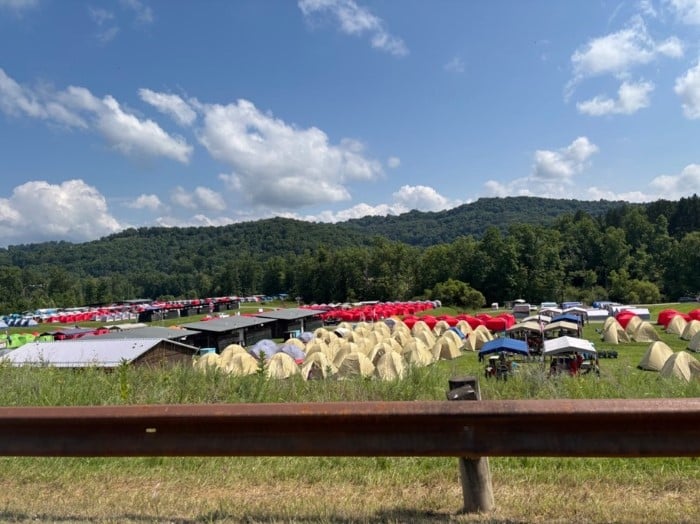 Figure 1: Summit Bechtel Reserve 2026 National Jamboree Campsite.
The National Jamboree is a gathering of thousands of scouts, staff, and volunteers at the Summit Bechtel Reserve in Glen Jean, West Virginia. The 2026 attendees included scouts from the USA and national and international volunteers and staff. The event was held in July for 10 days and approximately fifteen thousand people were in attendance.3 Glen Jean, a rural community in Fayette County, has a population of 90 people.4 Because nearby healthcare facilities are small and the closest major medical center is located an hour away, understanding how a multi-day mass gathering might affect local healthcare infrastructure is a critical priority.
Wastewater surveillance for infectious diseases is not a new concept, expanding during the COVID-19 pandemic as a means to anticipate potential case spikes before individuals present clinically with symptoms. Labs around the nation perform wastewater testing, monitoring various infectious diseases and reporting to the CDC National Wastewater Surveillance System.
In addition to community disease surveillance, WATCH-WV has expanded work to multi-day mass gatherings. Mass gatherings have potential to increase the transmission of endemic diseases and introduce novel pathogens to both event attendees and the surrounding community, underscoring the importance of ongoing health surveillance throughout the event.5 Early disease detection provides Public Health personnel opportunity to prepare an on-site response and allow medical facilities adjacent to the outbreak to allocate resources and prepare medical personnel prior to a peak.
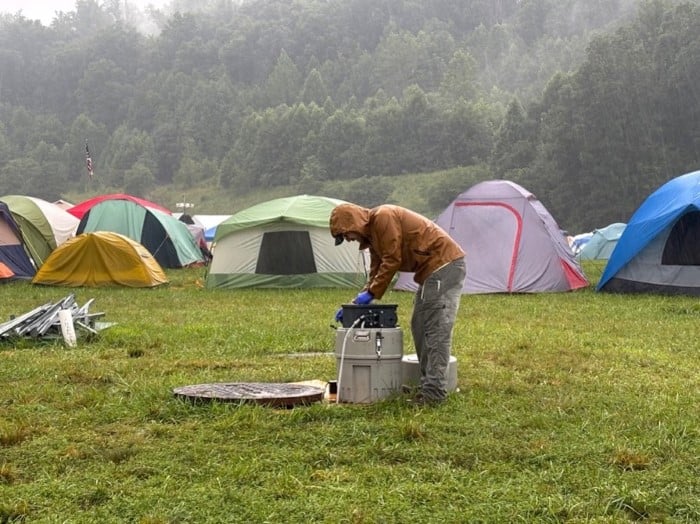 Figure 2: Aidan Aird, field operations staff, programming a Teledyne Isco portable sampler.
The WATCH-WV mobile lab was designed for mass gatherings and contains lab equipment for self-contained, rapid, and effective infectious disease surveillance. During the 2026 National Jamboree, we used assay sets to test for diseases of interest. The first, a multiplex respiratory pathogen assay, tested for Influenza A, Influenza B, Severe Acute Respiratory Syndrome - Corona Virus 2 (SARS-CoV2), and Respiratory Syncytial Viruses (RSV). The other three assays test for Norovirus, Bordetella Pertussis, and Rubeola Virus which causes Measles. Over a 10 day period, samples were collected every morning from a 7pm - 7am sampling period. Thirteen samplers were placed at various camps around the Summit Bechtel Reserve. Field operations staff collected these 12 hour composite samples using Teledyne Isco portable samplers in conical tubes and delivered them to the mobile lab. (See Figures 2 and 3).
In the mobile lab, we performed three processes on the collected samples: concentration, extraction, and assay quantification. Concentration condensed a 10 mL raw sample into 475 µL using Ceres Nanotrap Microbiome A Particles: magnetic particles that isolate viruses and microbes from a liquid sample.6 The concentrated samples were placed in a 96-well transfer plate then extracted to isolate viral nucleic acids. The mobile lab utilized the ThermoFisher Scientific MagMAX CORE Nucleic Acid Purification kit to purify RNA and DNA from our concentrated biological wastewater samples.7
Once extraction was complete we quantified the nucleic acid targets with Qiagen’s QIAcuity One digital PCR machine.8 The QIAcuity One uses partition plates, which split individual liquid samples in a single well into thousands of tiny polymerase chain reactions, effectively isolating zero, one, or several target molecules within each partition for high sensitivity and specificity testing.9 We analyzed the number of positive partitions in each well using fluorescent imaging. (See Figures 3, 4, and 5).
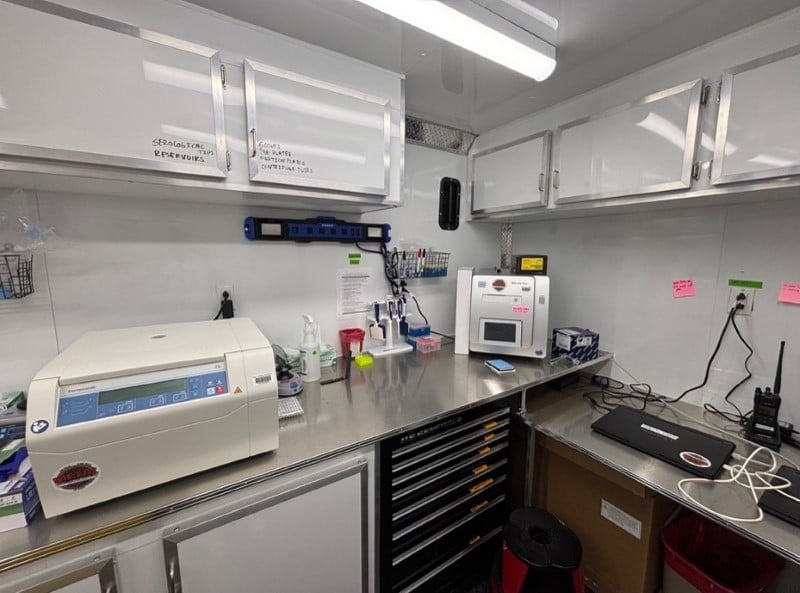 Figure 3: Assay quantification workbench within the WaTCH-WV mobile lab trailer.
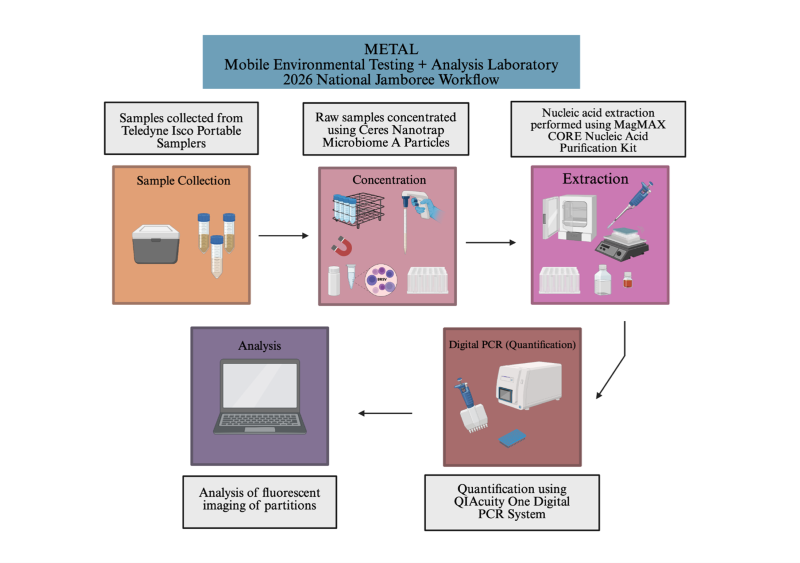 Figure 4: Simplified 2026 National Jamboree mobile lab workflow. Created in BioRender. Curtis, A. (2026) https://BioRender.com
Early in the testing process, we detected a gastrointestinal virus signal. We used sampler location data to identify the specific camp area with the positive signal. Following a pre-established chain of command protocols, our designated scientist communicated with the West Virginia Public Health partner. These Public Health partners involved necessary event collaborators and instituted preventive cleaning protocols.
My time at the WaTCH-WV mobile lab during the 2026 National Jamboree was educational. As someone with rudimentary lab experience, I found the mobile lab’s standard operating procedures easy to follow, the lab equipment straightforward to utilize, and the importance of the work apparent. While there was not a large-scale disease outbreak at the Jamboree, WaTCH-WV’s mobile lab presence is an important sensing capability. Early detection of infectious diseases at multi-day mass gatherings provides public health and medical personnel with information to help them allocate resources and respond to a potentially deleterious situation with public health and medical interventions. Lessening the spread of infectious diseases at these events also reduces the impact of a surge of disease on the surrounding local community.
Mobile lab wastewater surveillance is an effective and noninvasive way to screen for infectious disease. It does not require individual testing that can cause event disruption. Mobile laboratory surveillance data can provide event medical directors and other event health personnel with a broader situational awareness than is possible through clinical encounters alone. By identifying emerging health trends across an event population, these data may support earlier recognition of potential health threats, inform resource allocation, and facilitate timely interventions. Such surveillance could enhance the safety and resilience of multi-day mass-gathering events while reducing preventable impacts on local healthcare systems and surrounding communities. Continued deployment of the WaTCH-WV mobile laboratory will provide opportunities to evaluate and expand the role of near-real-time surveillance in supporting healthcare personnel and public safety at mass-gathering events throughout West Virginia.
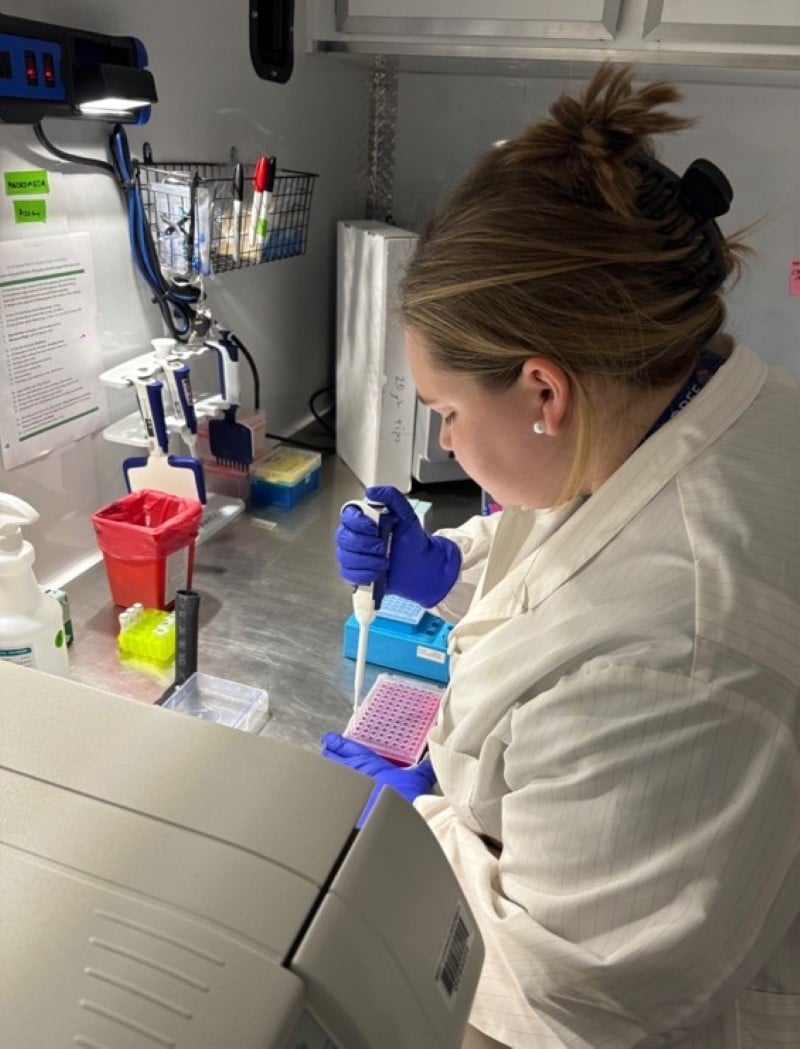 Figure 5: Chloe Cazad executing nucleic acid quantification workflow within the WaTCH-WV Mobile lab.
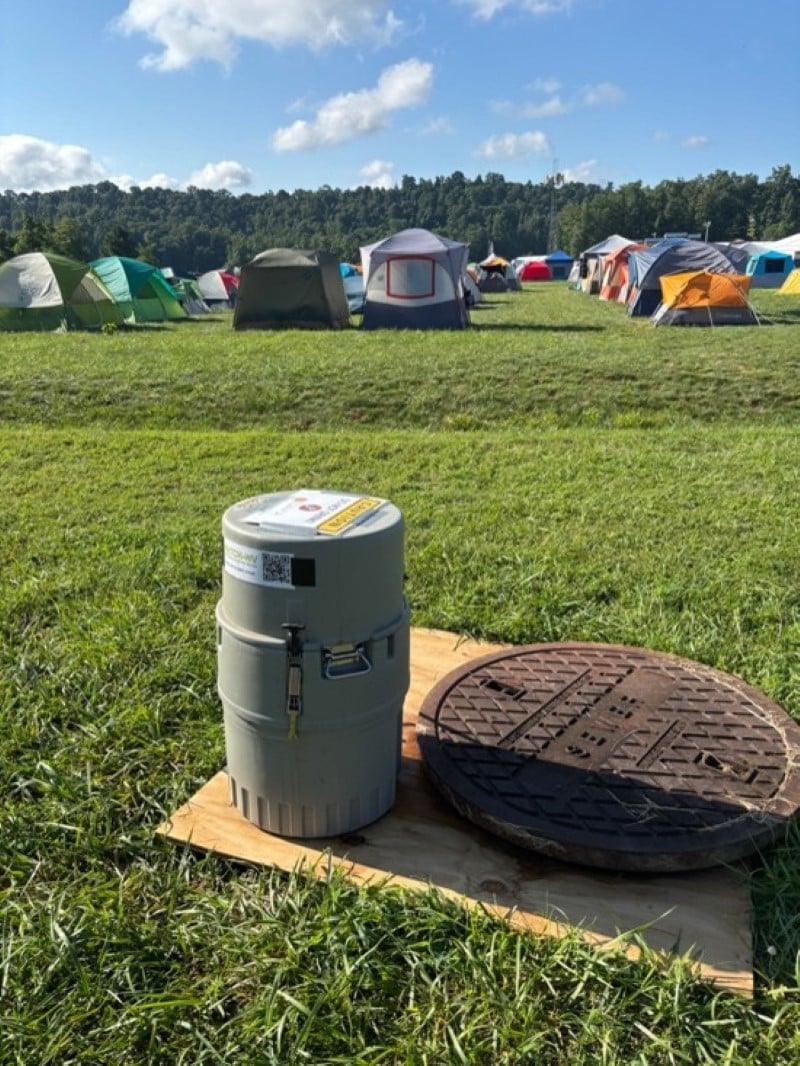 Figure 6: Teledyne Isco portable sampler placed at one of the sampling locations at the Summit Bechtel Reserve in Glen Jean, West Virginia.
Acknowledgements:
David Neff, M.S.
Marshall University Infectious Disease Surveillance Lab
Timothy Driscoll, Ph.D
Associate Professor
Barrett-Anne Briggs, Ph.D
WaTCH-WV Lab Manager and Research Scientist
Traci Hudson, M.S.
Wastewater Epidemiology and Surveillance & Public Health Threat Preparedness Epi Liaison Division of Surveillance and Informatics, Office of Epidemiology and Prevention Services, West Virginia Department of Health
Magdalene E. Young
Lab Operations Technician
Aidan Aird
Field Operations Technician
Chloe Cazad
Forensic DNA Analyst
References:
- Memish Z, Steffen R, White P, et al. Mass gatherings medicine: public health issues arising from mass gathering religious and sporting events. Lancet (London, England). 2019;393:2073 - 2084. doi:10.1016/s0140-6736(19)30501-x
- Wastewater Testing for Community Health in West Virginia. The WaTCH-WV Project. Accessed August 12, 2026 https://www.watch-wv.com.
- Scouting America. National Jamboree. Visitors - National Jamboree. Accessed August 12, 2026. https://jamboree.scouting.org/visitors/
- United States Census Bureau. Explore census data. Accessed August 12, 2026. https://data.census.gov/all?q=Glen+Jean+CDP
- Abubakar I, Gautret P, Brunette GW, et al. Global perspectives for prevention of infectious diseases associated with mass gatherings. The Lancet. Infectious diseases. 2011;12 1: 66-74. doi:10.1016/s1473-3099(11)70246-8
- Ceres Nanosciences, Inc. Nanotrap® Microbiome A Particles. Accessed August 10, 2026. https://www.ceresnano.com/product-page/nanotrap-microbiome-a-particles
- Thermo Fisher Scientific. MagMAX CORE Nucleic Acid Purification Kit. Accessed August 10, 2026. https://www.thermofisher.com/order/catalog/product/A32702
- QIAcuity Digital PCR System. Accessed August 10, 2026. https://www.qiagen.com/dk/products/instruments-and-automation/pcr-instruments/qiacuity-digital-pcr-system
- Fundamentals of digital PCR: what is digital PCR? QIAGEN. Accessed August 10, 2026. https://www.qiagen.com/dk/knowledge-and-support/knowledge-hub/bench-guide/pcr/digital-pcr/what-is-digital-pcr
- Gautret P, Steffen R. Communicable diseases as health risks at mass gatherings other than Hajj: what is the evidence?. International journal of infectious diseases : IJID : official publication of the International Society for Infectious Diseases. 2016;47:46-52. doi:10.1016/j.ijid.2016.03.007
Tips for Early Career Opportunities in Disaster Medicine
Ryan Leone MD MSc
Building on the strong foundation laid by current leaders, the expanding field of disaster medicine requires a rising generation of physicians, nurses, medics, and public health professionals to meet today's evolving and ever-present threats. From climate change and natural disasters to terrorism and chemical, biological, radiological, and nuclear weapons, the likelihood of mass casualty incidents is only increasing. For those inspired by a call to service in this field, it may seem hard on the surface to find opportunities. This article serves as a brief summary of several ways to get involved, including references to my personal experiences as an aspiring professional in the space.
1. Involvement with Organized Medicine
The house of medicine is large. Many organizations exist to form communities, advocate, and set guidelines on issues of importance to them. For emergency medicine, these include the American College of Emergency Physicians (ACEP), the Society for Academic Emergency Medicine (SAEM), and the American Academy of Emergency Medicine (AAEM). Each of these groups has student and resident organizations that work within or alongside them as well; ACEP has the Emergency Medicine Resident Association (EMRA), SAEM has the Residents and Medical Students (RAMS) organization, and AAEM has the Resident and Student Association (RSA).
Internationally, entities such as the World Association for Disaster and Emergency Medicine (WADEM) offer opportunities like their Special Interest Group for Students and Young Professionals (SYP SIG). The Society for Disaster Medicine and Public Health is also a global non-profit for medical and public health workers.
Within each of these organizations, there are sections and chapters focused on disaster medicine; for example, SAEM has a Disaster Medicine Interest Group, ACEP has a Disaster Medicine Section, and EMRA has a Prehospital & Disaster Medicine Committee.
Joining sections or chapters, signing up for or contributing to newsletters (like the ACEP Disaster Medicine section’s newsletter here), applying for committee positions even as a resident or student, and showing up to virtual meetings or in-person conferences can put you in the right room or email chain. When someone asks for assistance with a project, you might be there to raise your hand. By doing just that, I’ve developed opportunities to serve on planning committees for various conferences, from being the Lab Co-Lead for the Special Operations Medical Association’s annual Scientific Assembly to serving as the Research Forum Chair of the Government Services Chapter of ACEP’s annual Government Services Symposium. These roles all started with me simply showing up with a willing attitude.
While this is not an exhaustive list, it serves as a small window into the wide world of organized medicine and diverse, disaster medicine focus groups.
2. Local, State, and Federal Work
Many organizations at the local, state, and federal level play a role in the disaster management cycle, from prevention to mitigation, preparedness, response, and recovery. I’ve been fortunate to work with the NYC Health + Hospitals Institute for Diseases and Disaster Management and its Office of Biopreparedness and Emergency Management in an internship they offer for students. While a first-year medical student, I served as a “secret shopper” testing hospital preparedness for Ebola patienworkedwork on educational projects related to personal protective equipment, and developed a rapid discharge plan that was eventually applied during an unexpected labor strike in NYC.
On the federal level, I served as a Presidential Management Fellow before medical school, working for senior medical leaders at the Defense Health Agency and the Department of State’s Bureau of Medical Services, which gave me perspective on how military and foreign service medical care is provided. As a fourth-year medical student, I worked for the Department of Homeland Security’s Office of Health Security on a variety of issues in biosecurity, medical preparedness for national special security events like the UN General Assembly, and operational medicine tracking efforts. Each of these agencies, among others, has hosted formal or informal opportunities to integrate trainees in the past, and may be willing to accommodate residents or students for elective blocks. Programs like the Virtual Student Foreign Service, enabled hundreds of students to volunteer part-time for federal projects, including a project I completed with the Office of the Director of National Intelligence and for the medical director of the U.S. Forest Service.
Furthermore, the U.S. military plays many roles in disaster response domestically and internationally. Doctors may serve in the Army, Air Force, Navy, and Coast Guard. (Air Force doctors support the Space Force, and Navy doctors support the Marines). These jobs can be full-time opportunities and provide the largest associated education and sign-on benefits. Alternatively, roles in the National Guard or Reserves offer part-time positions. The U.S. Public Health Service is yet another uniformed service where doctors can serve in various jobs across local, state, and federal agencies. Furthermore, the Department of Veterans Affairs allows doctors to serve veterans, but also to participate in its fourth mission of improving preparedness for disasters. For young attendings, the Federal Emergency Management Agency has it’s Urban Search and Rescue (US&R) teams, and the Department of Health and Human Services (HHS) has an operating division called the Administration for Strategic Preparedness and Response (ASPR) which oversees the National Disaster Medical System and its Disaster Medical Assistance Teams (DMATs) that are both part-time, intermittent opportunities to be on deployable response teams.
The organizations listed above are just some of many that work at the intersection of healthcare and homeland or international security, with significant roles in disaster preparedness and response. Learning from leaders at these groups, working with them, or simply keeping them on your radar for future opportunities can be helpful in guiding your disaster medicine career.
3. Research and Academia
Dozens of universities have research programs focused on disaster response. Some of these are at medical schools or hospital-based, while others extend beyond physicians and have medical support as a subcomponent. Your medical school or university might have an interest group, a singular faculty member in the space, or a larger center, like the Center for Disaster Medicine at New York Medical College, the Center for Disaster Medicine at Massachusetts General Hospital, the National Center for Disaster Preparedness at Columbia University, or the National Institute for Defense Health Cooperation at the Uniformed Services University, where I’ve served as a Visiting Scholar, for example.
Besides conducting work, joining courses, or participating in exercises with the academic centers, you may also want to read about their academic publications on topics in the disaster medicine space. Prominent disaster medicine journals include, but are not limited to, Prehospital and Disaster Medicine, Disaster Medicine and Public Health Preparedness, and the American Journal of Disaster Medicine. There are also many journals adjacent to this work that publish on these topics, including broader emergency medicine journals. Outside of learning content and “who’s who” in the fields, you can submit cases, peer-reviewed research projects, and literature reviews yourself. As you progress, opportunities to be a peer reviewer or editor — sometimes through formal peer reviewer training programs like Academic Emergency Medicine’s Resident Editor-in-Training — may come about. Over the years, I’ve been fortunate to serve as a peer reviewer for the Journal of Special Operations Medicine, Military Medicine, and several other journals, along with serving as a Consumer Reviewer for the Congressionally Directed Medical Research Program and an abstract reviewer for various conferences.
4. Formal Education
After completing a residency in emergency medicine, physicians may consider completing formal education in Disaster Medicine Fellowship programs — some of which were listed in the 2021 edition of this newsletter here, and many of which were surveyed for a research letter here. Some of these may be paired with Emergency Medical Services training as well. In March 2026, Disaster Medicine was approved by the American Board of Medical Specialties (ABMS) as a subspecialty within emergency medicine.
Organizations like the National Disaster Life Support Foundation and the American Red Cross have courses that may supplement your learning. Federally funded training courses with the Federal Emergency Management Agency (FEMA), like the popular National Incident Management System (NIMS) series, or from its many National Training and Education Division collaborative providers, including the Texas A&M Engineering Extension Service (TEEX), which offers a Community Disaster Preparedness for Healthcare Certificate Program, can offer additional certifications too. Furthermore, ACEP’s Disaster Medicine section has a Disaster Medicine Lectures Series, and HHS ASPR has a program called Project ECHO, which records and stores clinical readiness rounds on important topics.
- https://www.acep.org/administration/ems-resources/disaster-medicine-lecture-series and project ECHO https://iecho.org/public/program/PRGM1703002309004M2CX1LFEND lecture series for synchronous and asynchronous educational opportunities
- a conclusion to tie up the article? Sort of the 30,000 foot view
This list is not comprehensive, but it highlights that the training opportunities available at your school or hospital should not limit you from pursuing these less formal, additional ones.
Three Takeaways to Consider:
- Mentors want to mentor. Don’t be afraid to reach out to individuals who have done the jobs you want to have in your career! Mentorship can be informal, such as a colleague, senior resident, or faculty member with an interest in Disaster Medicine, or formal, such as the upcoming ACEP Disaster Medicine Section Early Career Mentorship Program. Importantly, you should be sure that any cold communications you send are brief, clear, and limited in what they ask: “Would you have 20 minutes to answer a few questions about your career doing x, y, and z?” Opening with an ask to join a project may deter a response from a busy faculty member who would require hours of time to generate a role for you, but taking 20 minutes on their car ride home is a far easier lift that gets you on their radar for future opportunities.
- Networking is a long-term investment. It’s important to connect not only with the folks you look up to, but also with those who are just a few steps ahead, and those who are your peers or are up-and-coming. These are individuals who you may cross paths with in the field for decades to come, so being a helpful colleague, a grateful mentee, and a thoughtful mentor is not only the right thing to do, but may pay dividends down the line.
- Opportunities beget opportunities. If you do the job right, your reputation will serve you well when given a chance to work on a project, teach a course, or contribute to planning an event, and you will often find yourself being asked to come back. Many of the experiences I’ve had were a result of being invited to take on another task after successfully accomplishing the first one and proving my reliability.
Conclusion
In summary, disaster medicine is a strong, growing field with room for many young professionals to be a part of it. Opportunities to contribute and learn exist across organized medicine, governmental and non-governmental organizations, formal and informal training resources, academic institutions, and publications. By seeking out colleagues and mentors, being a willing volunteer, and putting your best foot forward, you might just find yourself in the command center or out in the field for important events as an early-career professional.
Disaster Committee Update
We extend our sincere gratitude to Dr. Romeo Fairley for his outstanding leadership and tremendous service in advancing the field of disaster medicine. The disaster committee leadership will be transitioning at Scientific Assembly 2026 and Dr. Andrew Milstein will be assuming the chair role.
Disaster Medicine Lecture Series
Disasters evolve fast—and so should your readiness.
Our Disaster Medicine Lecture Series delivers insights from experienced frontline clinicians, responders, and operational leaders. Hone your readiness, gain new medical knowledge, increase your awareness, or simply hear fascinating first-hand perspectives from experts across disaster medicine.
Upcoming dates and topics:
August 18, 1300-1500 pm EST
- Dr. Sandy Schneider: Improving Diffusion of Clinical Care Innovations in Public Health Emergencies
- Dr. Kyle Herbert: The Role of the National Guard in Disaster Response
September 15, 1300-1500 pm EST
- Josh Corman: Hospitals and Cyber/Water Threats
- Dr. Frank van Trimpont: TECC in CBRN Conditions
October 20, 1300-1500 pm EST
- Dr. Meg Marino: The New Orleans Vehicular Attacks
- Gam Weijitunge: Prehospital Blood
See more upcoming lecture topics and speakers and register here: https://www.acep.org/administration/ems-resources/disaster-medicine-lecture-series
Letter From the Chair
This past year has been nothing short of incredible. Highlights included our second Medical Leadership in Disaster Preparedness and Response Virtual Conference, the continuation of the Disaster Medicine Educational Conference Series in partnership with UMass Chan Medical School and the National Center for Disaster Medicine and Public Health (NCDMPH), and, of course, the historic recognition of Disaster Medicine as an ABMS-approved subspecialty.
Building on this monumental achievement, I am excited to announce that our new mentorship program will launch this fall. This initiative is designed to support the next generation of Disaster Medicine leaders by providing the guidance, connections, and opportunities they need not only to succeed, but also to advance the specialty in innovative and impactful ways.
Looking ahead, we remain committed to expanding member engagement and delivering value to our section. We will continue sharing information and updates as details regarding the new subspecialty requirements become available. I anticipate these topics will be a major focus of discussion at the ACEP Scientific Assembly.
If you plan to attend ACEP26 in Chicago, please stop by our table during the Wine & Wander event on Monday, October 5, from 4:30 p.m. to 6:30 p.m. CST. We also encourage you to join us at the Disaster Medicine Section meeting, currently scheduled for Wednesday, October 7, from 1:00 p.m. to 2:30 p.m. CST.
I look forward to seeing many of you in Chicago and celebrating the continued growth and success of our specialty.
Bryan Wexler, MD, MPH, CHPCP, CHEC-III