
 American College of Emergency Physicians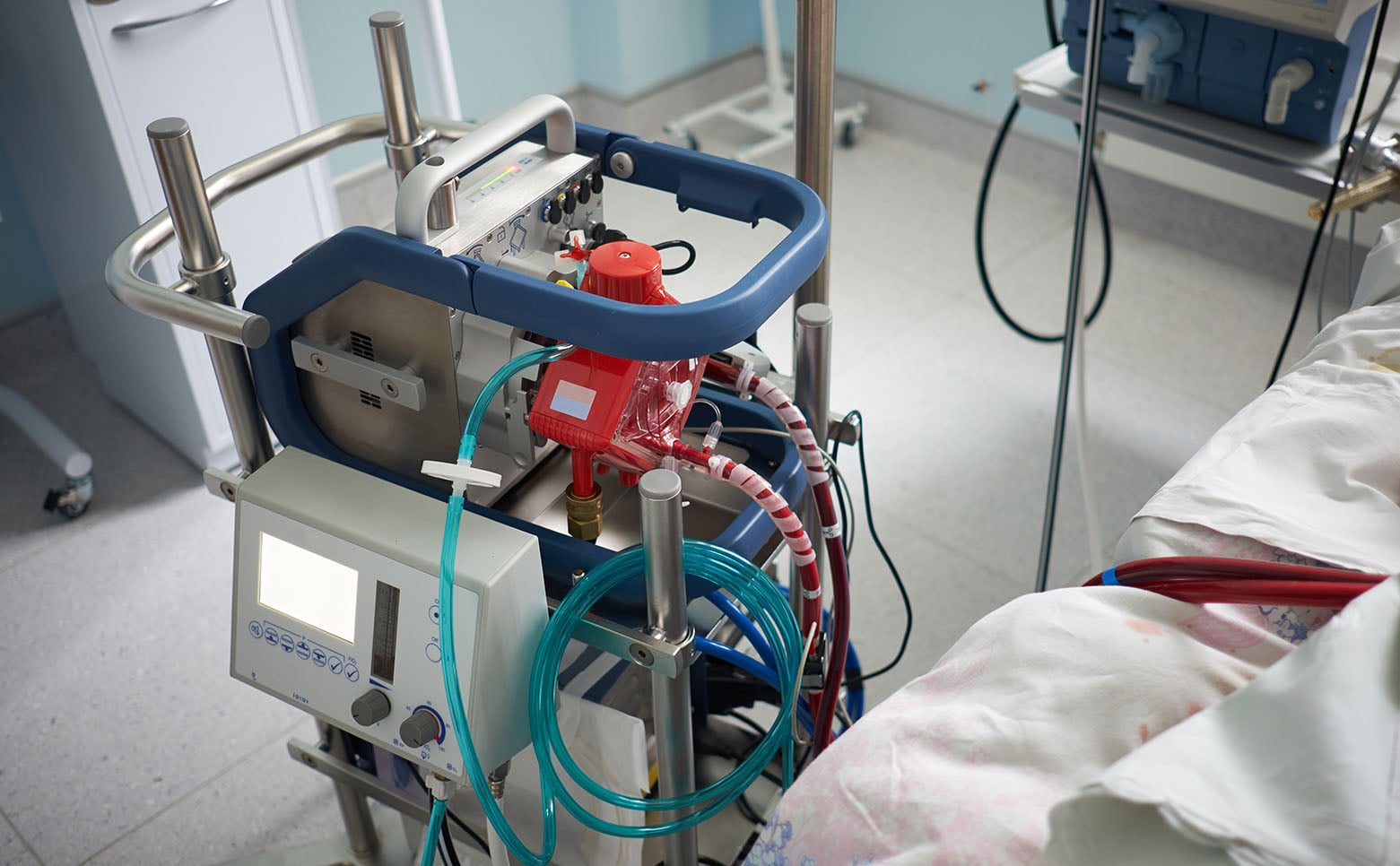

Emergency Extracorporeal Life Support (E-ECLS): Foundations of Cannulation
October 4
Morning Session | 8 am – 12 pm
Afternoon Session | 1 – 5 pm
Cost: ACEP Member: $1,000 | Non-Member: $1,500
Extracorporeal Life Support (ECLS) and Extracorporeal Cardiopulmonary Resuscitation (ECPR) are increasingly being incorporated into the care of select patients with refractory cardiac arrest. This hands-on workshop is designed to provide emergency physicians with a practical introduction to ECPR through immersive simulation and small-group learning.
Participants will explore the critical first hour of ECPR implementation, including patient selection, team activation, circuit fundamentals, and the basics of percutaneous femoral cannulation. Through focused didactics, case-based discussions, and simulation-based practice, learners will gain exposure to the workflow, equipment, and decision-making processes involved in initiating ECPR programs.
This workshop is intended to build foundational familiarity, safety awareness, and clinical decision-making skills for physicians interested in developing or participating in ECLS programs at their institutions.
Important Note
This workshop is designed for introductory education and does not confer independent procedural competency, hospital credentialing, ELSO certification, or authorization to independently perform ECPR.
Meet the E-ECLS Faculty

Dorian Alexander
MD

Katrina Augustin
MD

Torben Becker
MD, PhD, MBA

Kari Gorder
MD
Adam Gottula
MD
Jeffrey Javidfar
MD

Philip Mason
MD
Mark Ramzy
DO

Daniel Rowan
DO

Zachary M. Shinar
MD, FACEP
E-ECLS Course Schedule
Morning Session (Course A)
Time
Course Description
8:00–8:20 a.m.
Introduction, welcome, and group assignments (all attendees)
8:20–9:50 a.m.
BLOCK ONE
Group 1: Didactics: Physiology and ECPR Selection Criteria; Pump and Cannula Selection; Problems and Post-ECPR Logistics
Group 2: Simulation: Cannulation Stations
9:50–10:00 a.m.
Morning break and group transition
10:00–11:30 a.m.
BLOCK TWO
Group 1: Simulation: Cannulation Stations
Group 2: Didactics: Physiology and ECPR Selection Criteria; Pump and Cannula Selection; Problems and Post-ECPR Logistics
11:30 a.m.–12:00 p.m.
Morning closing (all attendees)
Afternoon Session (Course B)
Time
Course Description
1:00–1:20 p.m.
Introduction, welcome, and group assignments (all attendees)
1:20–2:50 p.m.
BLOCK ONE
Group 1: Didactics: Physiology and ECPR Selection Criteria; Pump and Cannula Selection; Problems and Post-ECPR Logistics
Group 2: Simulation: Cannulation Stations
2:50–3:20 p.m.
Afternoon break and group transition
3:20–4:30 p.m.
BLOCK TWO
Group 1: Simulation: Cannulation Stations
Group 2: Didactics: Physiology and ECPR Selection Criteria; Pump and Cannula Selection; Problems and Post-ECPR Logistics
4:30–5:00 p.m.
Afternoon closing (all attendees)
CME Statement
The American College of Emergency Physicians is accredited by the Accreditation Council for Continuing Medical Education to provide continuing medical education for physicians.
The American College of Emergency Physicians designates this live activity for a maximum of 3 AMA PRA Category 1 CreditsTM. Physicians should claim only the credit commensurate with the extent of their participation in the activity.
Approved by the American College of Emergency Physicians for a maximum of 3 hours of ACEP Category I credit.