 American College of Emergency Physicians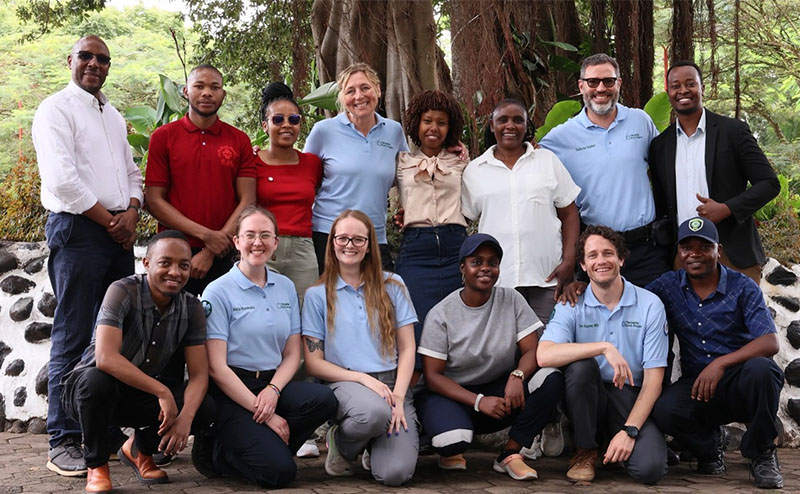

Building Tanzanian-Led Emergency Medical Services: The TZEMS Model
Tim Kummer, MD
Emergency Physician and EMS Medical Director, Hennepin Healthcare | US Medical Director, TZEMS
Peter Mabula, MD
Emergency Physician ALMC / Tanzanian Medical Director, TZEMS / ACEP Liaison
Across sub-Saharan Africa, the burden of injury-related death falls disproportionately on those with the least access to emergency care. The World Health Organization estimates that 90% of injury-related deaths occur in low- and middle-income countries, where pre-hospital emergency systems are often absent or fragmented. In Arusha, Tanzania, a Tanzanian and American team is working side by side to change that by building a pre-hospital system from the ground up, in genuine partnership with the people who will run it.
The Model
The Tanzania Emergency Medical Services Project (TZEMS) launched with a mission to create a sustainable EMS system that is Tanzanian-led, grounded in local epidemiology and care infrastructure, and built to outlast foreign partnership. The project pursues three parallel tracks: centralized dispatch coordination across Arusha's private ambulance cooperative, clinical training and protocol standardization, and development of the region's first Advanced Life Support ambulance service. The deliberate starting point is the private sector — building proof of concept, demonstrating value, and establishing operational credibility before engaging the public system at scale. Throughout, Tanzania's Ministry of Health has been kept fully informed and involved at each step, ensuring that what is being built in Arusha is a foundation for national integration, not a parallel silo.
The Team
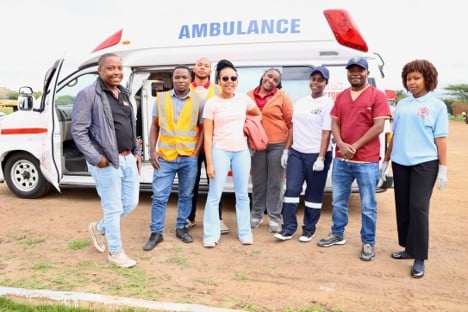
Our Tanzanian medical director, Dr. Peter Mabula, is a physician and ACEP Liaison who leads in-country medical direction and vision. Within Tanzania, he has been a leading voice for emergency medicine, having shaped its clinical practice, trained its next generation of providers, and continues to engage its policy landscape over the course of his career. TZEMS is built on his foundation.
Our Director of Operations, Bahati Ng'obo, brings over a decade of emergency and trauma care experience as nurse and paramedic to his role overseeing dispatch coordination, pre-hospital operations, and provider training. Trained at MUHAS and the Aga Khan University, his expertise comes from years of delivering care in the same environment the system is being built to serve.
Working alongside these two, as well as the rest of our Tanzanian team, one thing has been very clear: the knowledge is there, the work ethic is there, and the desire is there. These are exceptionally talented clinicians whose knowledge and capability consistently exceed what their resources and systems have allowed them to demonstrate. The gap is not clinical, rather it is infrastructural. The work of TZEMS is to build around that talent, supporting and empowering them to care for their communities. Rather than importing a US based model, we are closely collaborating with the Arusha medical community to create and tailor an EMS system unique to their stretngths and needs.
The US-based team includes Gabriel Keller, an advanced care paramedic with a background in systems design, and Ali Ruminsky, an emergency medical dispatcher and EMT with a Master of Public Health in Epidemiology and graduate training in global health. The project also draws on the experience of Dr. Stephen Dunlop, who serves as a senior advisor. Dr. Dunlop's years of work building emergency medicine capacity in Tanzania — including collaborative research with Dr. Mabula — established the relationships and institutional groundwork that made TZEMS possible.
Progress to Date
Pre-Hospital Workforce Development
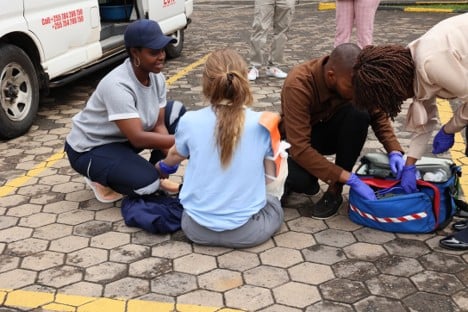
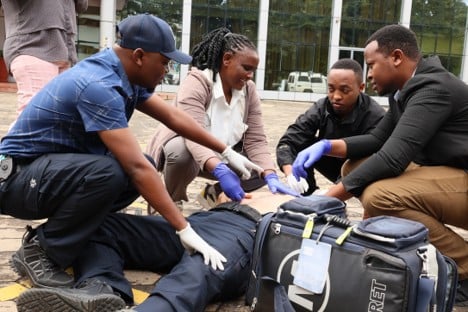
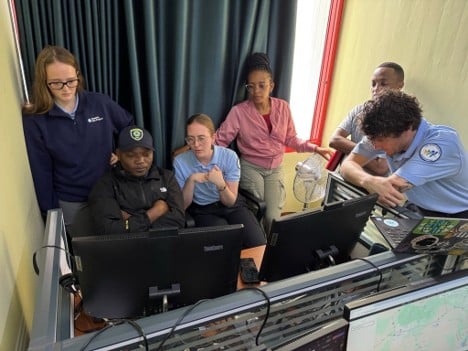
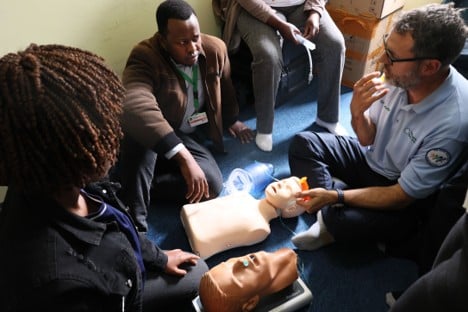
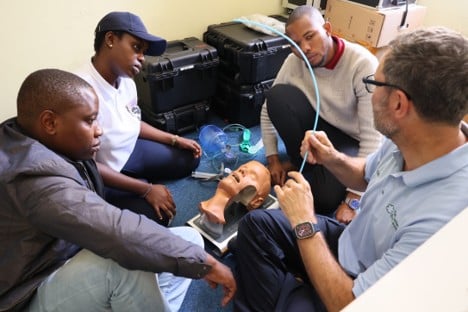
In the fall of 2025, eighteen pre-hospital providers completed foundational training establishing a standardized clinical baseline and shared protocols. This spring, the team returned for an intensive focus on dispatch and clinical simulation. Dispatchers trained extensively on pre-arrival instruction protocols, working through simulated cases to build the workflow and confidence to provide care starting at the moment a call is answered. The training culminated in a mass casualty simulation that demonstrated a level of organized, coordinated response that exceeded expectations.
Working along side our Tanzanian colleagues, it continues to be clear that the challenge is not knowledge. These are clinically sharp, highly capable providers who have had too few calls and too little equipment to apply what they already know without a system to support them. The work is now about getting them out into the community to provide care, not filling a knowledge gap.
Centralized Dispatch
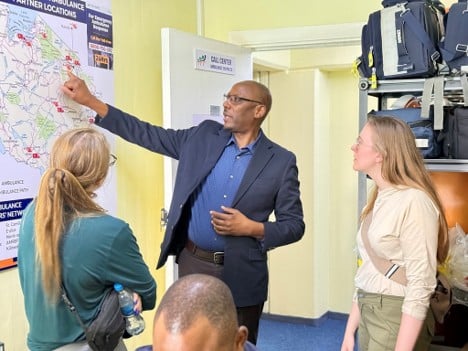
A centralized dispatch office has been established with a publicly available, toll-free emergency number, giving the Northern Tanzanian community a single point of contact for ambulance access for the first time. Prior to this, reaching an ambulance meant knowing the personal phone number of a private owner. Dispatchers are now trained to provide life-saving pre-arrival instructions while units are en route. Our dispatch cooperative currently includes five private ambulance services — EJK, ALMC, Hayaat, Selian, and SQF — a collaboration that positions the system as a regional emergency communications center.
Operational Data
Building a system that can learn from itself is as important as building one that functions clinically. GPS tracking across the cooperative fleet provides the first real-time operational visibility into ambulance activity in the region. Beyond vehicle location, we are developing the infrastructure to capture clinical information on each call. That data will allow us to build a system that is epidemiologically appropriate for Arusha, not one imported from a different context. The disease burden, the call patterns, and the resource constraints in Northern Tanzania are distinct from what drives EMS system design in the United States, and the education, protocols, and priorities of TZEMS should reflect that. Understanding our own system is how we get there.
Where It's Headed
Institutional Traction
Beyond patient care, TZEMS is actively building relationships with local businesses, conference centers, and established programs operating in the region, positioning the system as the trusted provider of high-quality emergency care for visitors and workers in Arusha. This kind of institutional trust is not incidental to the mission; it is how community-wide buy-in is earned over time. A system that demonstrates its value to the institutions and organizations that anchor a city builds the credibility that eventually reaches every corner of it. With the 2027 Africa Cup of Nations bringing matches to Arusha, the project is well positioned to serve as the primary pre-hospital provider for the tournament a significant operational milestone and an opportunity for national visibility.
Sustainability remains a central design consideration. TZEMS is working to establish local funding mechanisms including sliding-scale payment structures, alignment with Tanzania's national healthcare reimbursement framework, and service agreements with institutions and the region's significant tourist population. The purchase of a dedicated ALS ambulance, the first of its kind in the region, is the project's next immediate priority, giving the clinical team the equipment they need to provide the level of care they are already prepared to deliver.
The challenge TZEMS is working through is familiar to global emergency medicine: how to build systems with enough local ownership that they endure when external support recedes. The work in Arusha is early. But the foundation is Tanzanian.
Tim Kummer, MD — Emergency Physician and EMS Medical Director, Hennepin Healthcare | US Medical Lead, TZEMS Peter Mabula, MD — ACEP Liaison | In-Country Medical Lead, TZEMS
For more information or to connect with the TZEMS team, visit tzems.org.