 American College of Emergency Physicians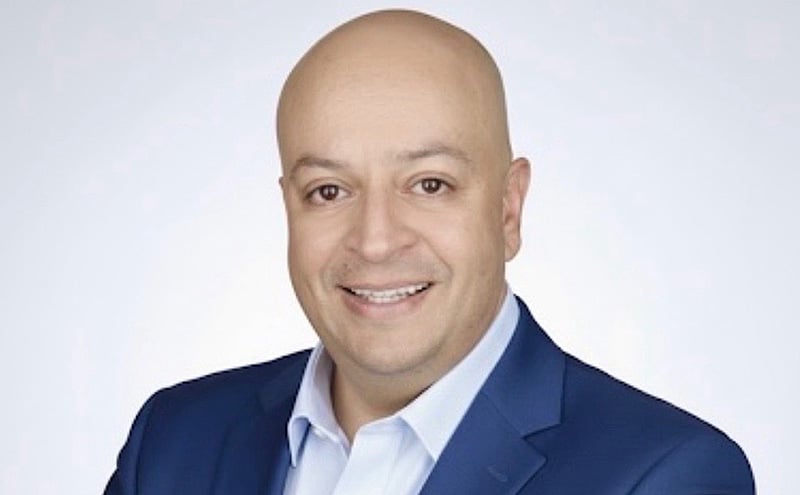

Charting the Future of Cruise Ship Medicine: A Unified Vision from ACEP 2025
Ruben Parejo, MD
Salt Lake City, September 7, 2025. At the annual meeting of the ACEP Cruise Ship Medicine Section during ACEP25, Chair Ruben D. Parejo, M.D., delivered a forward-looking address that not only celebrated recent achievements but also set a bold agenda for the future of cruise ship medicine. Speaking to colleagues and industry leaders, Dr. Parejo emphasized the power of collaboration, innovation, and shared responsibility in shaping care at sea.
The speech opened with a story of partnership, a model for how cruise ship medicine works together with regulators and local authorities. Two years ago, the USCG expressed concerns about the increase in medical evacuations from cruise ships, threatening to overwhelm Alaska’s emergency resources. The industry leaned in, forging new protocols and transparent dialogue. The result: a marked decline in medevac incidents, even as passenger numbers continued to increase. This success, Dr. Parejo noted, is a testament to responsible growth and the impact of treating regulators as partners in care.
As the cruise industry expands, so do its challenges. Larger ships, more passengers, patient expectations, and increasingly complex medical needs demand shipboard medical professionals to have expertise not only in emergency medicine, but also in logistics, diplomacy, and leadership. Dr. Parejo posed critical questions: How can departments prepare for this growth? Can the quality of care be further elevated? These questions set the stage for a call to action: deeper collaboration between cruise line medical leaders and ACEP, ensuring that policies reflect industry challenges and evolving expectations.
Central to the meeting was the process of updating and approving new clinical guidelines. Earlier in the year, ACEP circulated revised standards for feedback, culminating in a vote at the annual meeting. Dr. Parejo urged members to participate, framing the vote as a reaffirmation of the section’s commitment to safe standards of care at sea.
Innovation was another key theme. Dr. Parejo highlighted the emerging role of artificial intelligence in remote care environments such as rural America. While these technologies are limited on board, their potential is a matter that deserves consideration and will require us, the members of the Cruise Ship Medicine Section, to work together and participate actively in our section meetings to propose guideline updates that support future growth.
In closing, Dr. Parejo reminded attendees that they are not passive observers but architects of change. Whether overseeing fleet operations, navigating legal complexities, or advocating for compassionate care, every member’s voice matters. The future of cruise ship medicine, he declared, is a shared endeavor, one built on excellence, ethics, and innovation.